Chemistry & Chemicals
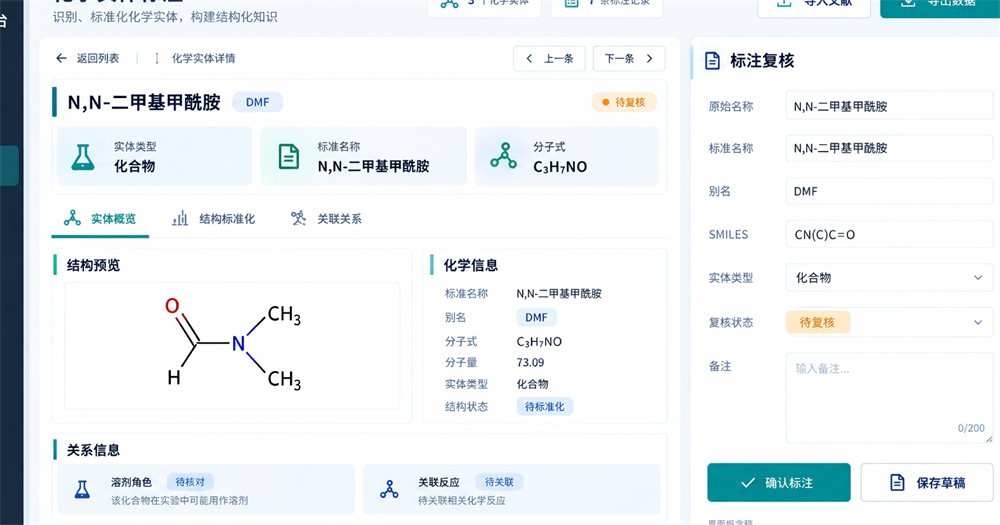
Chemical Structure Recognition & Correction
Recognition and drafting correction for full compound names, Markush, indefinite structures and complex substituents.
OCSRstructure draftingFocused on chemistry, new materials, pharma R&D and biological sequences. Schema co-design, AI pre-annotation, expert refinement and three-tier QC — every record traces back to its source text and annotator.
Chemistry & Chemicals
 Pharma R&D
 New Materials
 Pharma R&D
Confidentiality agreement and authorized-personnel list completed before kick-off.
Processed inside the client-designated environment or isolated domain.
Never reused for other clients, never used to train our own models.
Supports dedicated cloud environments, client VPCs or on-premise deployment.
Role-based permissions with exportable audit logs.
Raw and intermediate data deleted on the agreed schedule.
Recognition and drafting correction for full compound names, Markush, indefinite structures and complex substituents.
OCSRstructure drafting
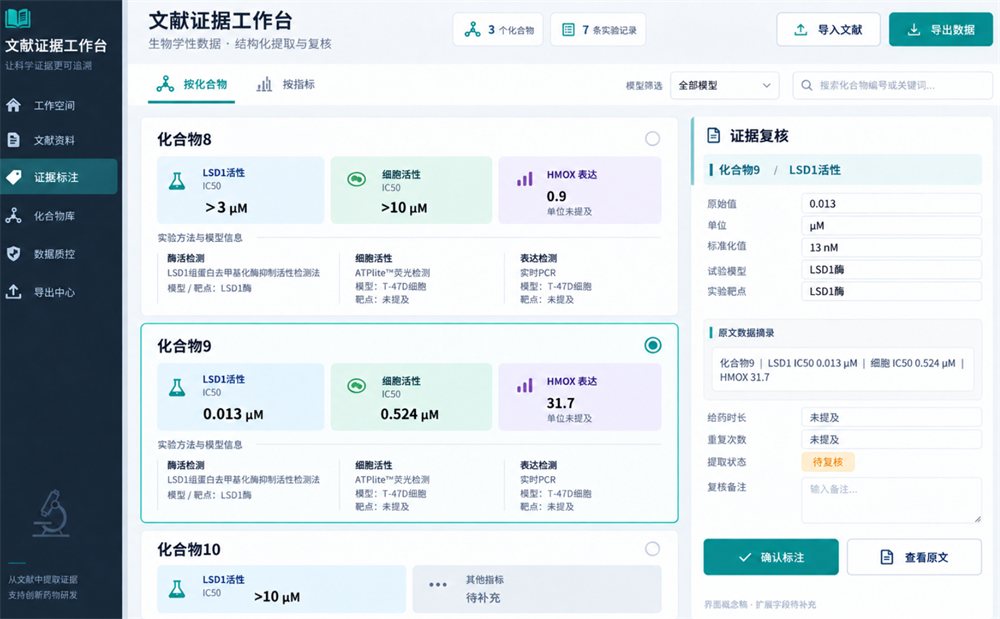
Structured extraction of test substances, activity metrics, value units, test subjects and methods.
PK/PDtable extraction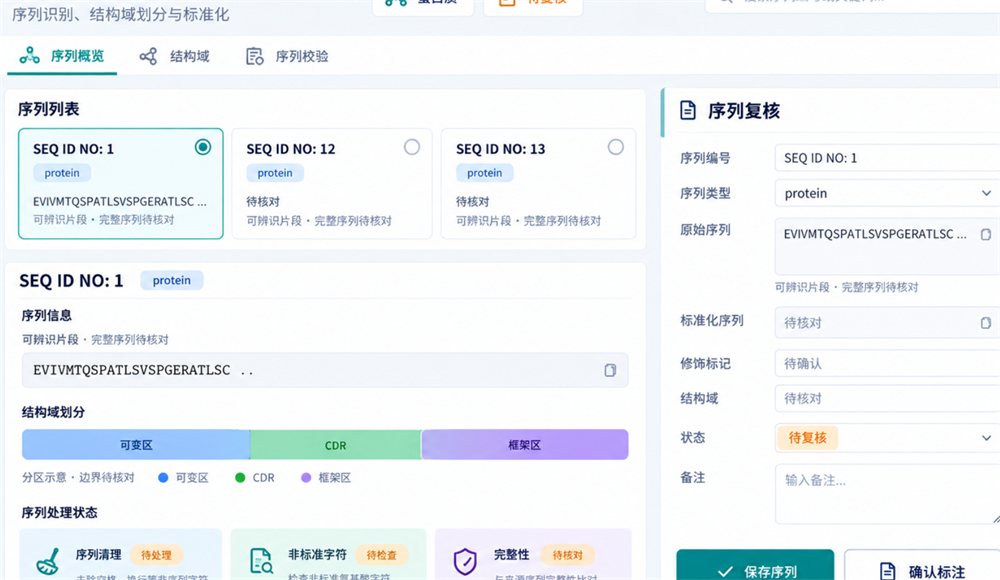
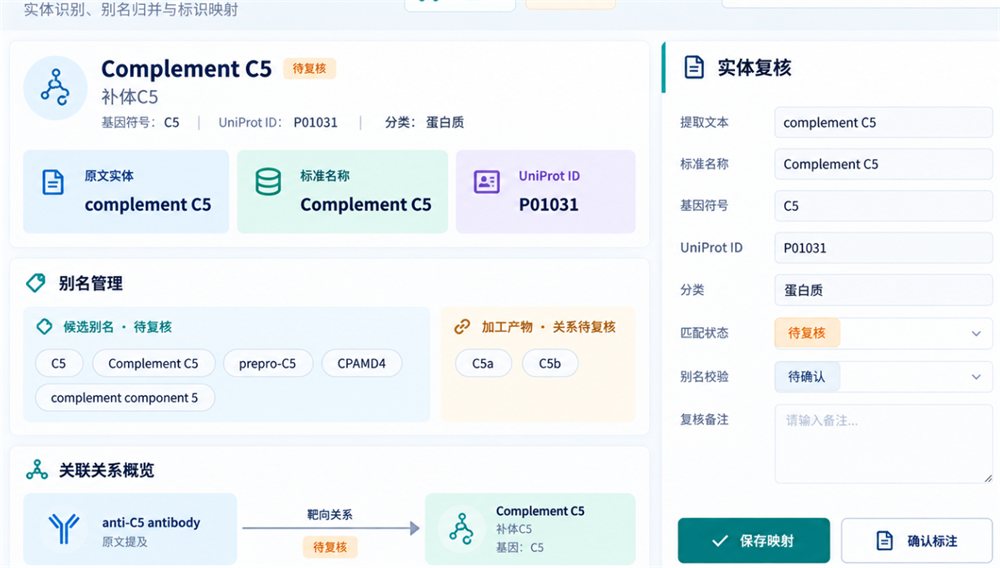
Extraction and normalization of protein/nucleic-acid sequences, modification details, sequence numbering and cross-page information.
sequence normalizationmodification decomposition
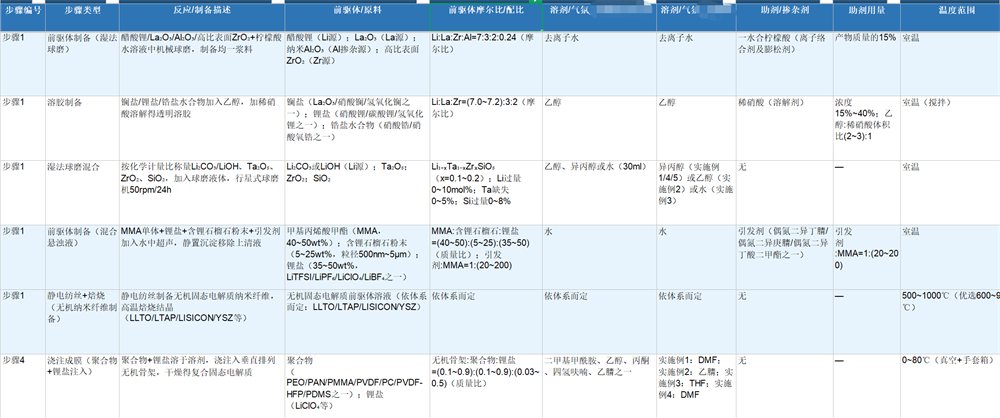
Structuring of solid-state electrolyte basics, process steps, characterization data and performance metrics.
solid-state electrolytepatent processing
Cleaning of herb, component, target and disease data and construction of a searchable candidate-component library.
knowledge basemulti-table cleaning
Annotation of antibody sequence–antigen relations, heavy/light chain pairing and binding affinity constants KD/IC50/EC50.
antibody sequencesaffinity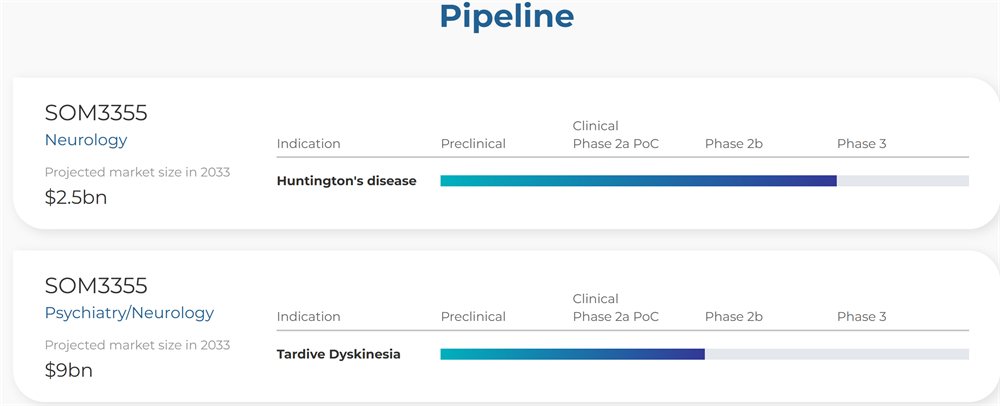
Continuous monitoring of drug type, target/MOA, indication, R&D stage and pipeline status.
pipeline monitoringDMP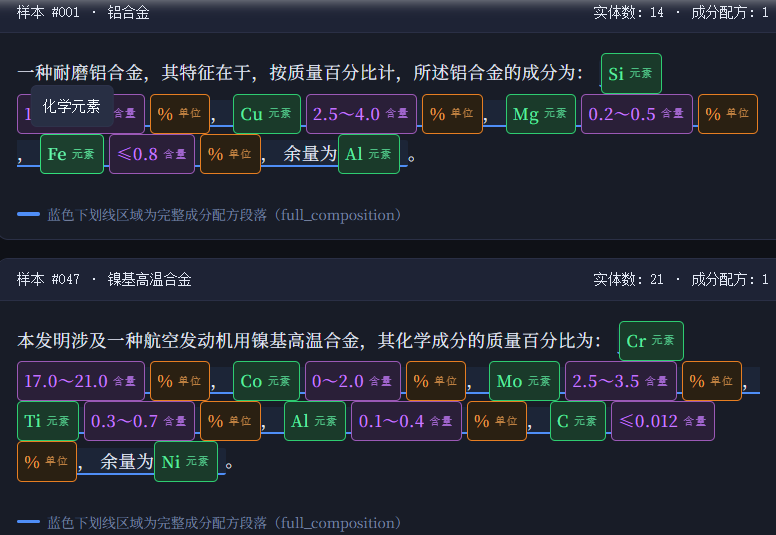
Annotation of material entities, elements/components, weight percentages, performance properties and manufacturing processes.
material entitiesproperty annotationNo industry news, no product pitches. "Domain Data Notes" writes about one thing only: when AI lands in a specific industry, where exactly the data layer gets stuck. It covers scenario difficulties, engineering methods, compliance requirements and trend judgement.
Annotation accuracy measures the samples that were labelled, not model behaviour. Drawing on public research, this article explains why a dataset of positives alone cannot define a model's boundary, why annotator disagreement is signal rather than noise, why evaluation sets saturate with age, and what each of the three PEN data categories — Positive, Edge, Negative — solves.
2026-10-01